Start With Meal Architecture
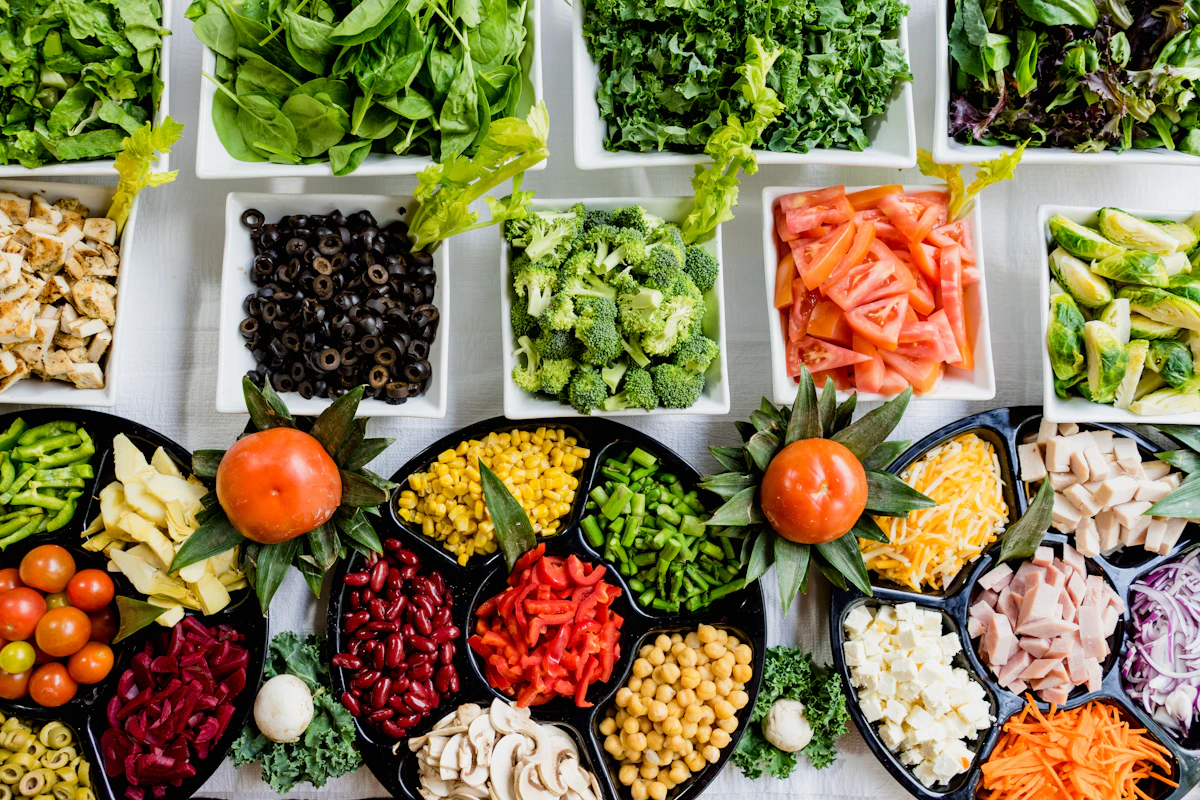
A diabetes-friendly plate usually starts with non-starchy vegetables, adds lean protein, includes a measured slow carbohydrate, and finishes with a healthy fat or flavor element.
This structure lowers decision fatigue because the food can change while the plate logic stays the same.
Choose Carbohydrates With Context
Portion and pairing matter
Rice, roti, potatoes, oats, beans, and fruit can fit many diabetes plans when portions are intentional and paired with protein and fiber.
The question is not only what carbohydrate you eat, but how much, how often, and what surrounds it on the plate.
Use Family Meals Strategically
Separate diet food often fails because it isolates the client. A better approach is to adjust the shared meal: add salad, increase protein, reduce refined portions, and improve timing.
When the family meal supports the plan, consistency improves without extra cooking burden.
Track Trends, Not Single Readings
One glucose reading is information, not a verdict. Review patterns around breakfast, late dinners, stress, sleep, and walking after meals.
These trends help a nutritionist refine meal timing and food pairings with much more confidence.
Turn the article into your next step
Quick answers before you choose your next step
Should I use this article as my full diet plan?
Use this article as education and a starting framework. A full diet plan should consider your medical history, routine, preferences, labs, appetite, and progress signals.
When should I book an online nutrition consultation?
Book a consultation when you need a personalized plan, have PCOS, diabetes, thyroid or gut concerns, feel stuck with weight loss, or want accountability.
Can Dietrix Fit support clients outside Pakistan?
Yes. Dietrix Fit is remote-first and supports international clients through online consultations, digital plans, and progress reviews.